10 Myths Your Boss Is Spreading About Electric Heater Electric Heater
How to Select Electric Heaters Electric heaters provide a variety of advantages, including low cost of installation, minimal maintenance for homeowners, and a more efficient method to warm your home. They are also easier to utilize than heating systems that require venting. You can save money on heating costs when you have an electricity provider that provides Economy 7. Temperature Settings Ideally your electric heater will enable you to set the temperature you want, and then keep that temperature constant without the need to switch it off and on. This will save energy and stop you from leaving or entering the room that is too cold. Look for a thermostat, and if you can, one with a timer function. When selecting an electric heater, make sure that it's designed for the space you're using it in. If the heater is too small will have to run longer to achieve the temperature you want. This can waste energy and could cause your space to overheat. Utilize our calculator to determine the best heater's power in watts per square foot for your area. Also, make sure that the temperature adjustment knobs are easy to reach and adjust. If the knobs are recessed, you may need to remove screws and remove insulation to reach the knobs, which can be a challenge. Make sure you are using the recommended temperature range to ensure safety and efficiency. Temperatures lower than 120 degrees could trigger bacteria growth and increase the risk of scalding, while temperatures over 140 degrees may be an hazard to fire. The Everhot is an elegant compact heater that is specifically designed for conservatories or, according to the company's description: “annexes, holiday cottages narrow boats and shepherds' huts, as well as Glamping pods.” It can reach temperatures of 200C, making it an ideal choice for cooking as well as heating. It comes with a timer and an ECO setting that optimizes the temperature and power settings to make it more efficient. It's also extremely quiet. There isn't any fan noise or whirring sound when you change the settings. This makes it a good choice for bedrooms or living rooms. It also comes with a few additional features that are useful, like a built-in nightlight that glows blue when the heater is turned on and a built-in humidifier which can be turned on to an intermittent mist setting to create a subtle effect. It's also safe and sturdy and comes with a tip-over shutdown switch and overheating protection that shuts down the unit if it gets too hot. It's also registered with UL for safety. Safety When using electric heaters, you must to take the proper safety precautions. The dangers of fire from heaters and carbon monoxide (CO) poisoning can be especially dangerous to children, the elderly and those suffering from chronic health issues or immune system disorders. Children and pets can also knock a heater over which can cause injury or even death. ESFI recommends that you check the heater's plug and cord on a regular basis. Look for indications of damage, such as damaged or loose plug or frayed cord. If the outlet or cord is hot, call a qualified electrical contractor to replace it. Do not connect more than one electrical device simultaneously as a space heater. This can overload the outlet and cause it to overheat. It's a good idea also to use heaters that are listed or labeled by a nationally recognized testing laboratory, such as UL. These heaters are more likely than other models to meet the voluntary safety requirements. Also, do not place a heater on fire-prone surfaces like rugs and textiles. Maintain a minimum of three feet between the heater and any combustible material. Also, never put heaters in the bathroom or in the kitchen. Don't touch it when you're wet. Also, make sure to always plug the heater directly into a wall outlet, not an power strip or extension cord. If you must use an extension cord, choose the most compact heavy-duty cord you can constructed of 14 gauge wire. Also, look for loose outlets that could be a sign of an overloaded circuit. If you're using an electric space heater in an open area make sure to keep it at least six inches from anything that could ignite. Place the space heater on an unburnable, flat surface instead of on furniture, cabinets or tables, which could overheat. Lastly, be sure to turn off the heater and disconnect it when you leave the room or go to sleep and leave it on to increase your risk of catching fire. Electric heaters are a great option to reduce energy usage and prevent injuries. Electric heaters are often used by facility managers to provide additional heat in offices and common areas as temperatures drop. Preferred Climate Solutions installs and maintains outdoor or indoor electric heating systems to make your workplace as comfortable during these cold winter months as you can. Contact us to learn more about heating solutions. Energy Efficiency When selecting a portable electric heater take into consideration its energy efficiency. This refers to the amount of energy needed to achieve the desired output. Heating systems that require less electricity are thought to be more efficient, and this can help to reduce the overall cost of heating a home or business. The heating element is utilized in a majority of electrical heaters to convert electrical energy into warmth. It is typically made up of a coil or ribbon flexible heater or tubular element that releases heat when a current is passed through it. The amount of heat that is produced is contingent on the heating element used and the method through the means it transmits heat (convection or radiation). If electric fireplace stove are concerned about your environmental impact, look for an option that utilizes an environmentally friendly method of energy. This could be an energy source that is renewable or a substitute for fossil fuels, such as solar or wind. The efficiency of energy used by an electric heater also depends on where the electricity comes from and how it is generated. Electricity generated by solar or wind power plants is more efficient than electricity generated from fossil fuels used in power stations. Aside from choosing a heater that uses an eco-friendly form of energy, it is important to consider a heater that comes with various built-in energy saving features. These features could include automatic shutoff mechanisms that will be activated in the event of overheating, or if a unit is accidentally dropped. These safety measures can help to safeguard your employees or family members, and they can also help reduce your energy costs by helping you to avoid excess usage. Many portable electric heaters operate quietly, making them ideal for bedrooms, offices and other places that require a calm atmosphere. Electric heaters can save you money by reducing your maintenance calls. Gas units are more expensive to fix than electric models and maintenance costs can be costly over the course of time. Electric models are typically less expensive to maintain and usually include more advanced features that help you save money. Installation Electric heaters work on the Joule principle, which converts electrical power into radiant warmth that warms a room. Electric heaters are also more efficient and cost-effective than other heating methods, especially gas. However, they aren't suitable for every household and can put pressure on the existing electrical system. It is crucial to have an electrician inspect the system prior to installing a wall heater. 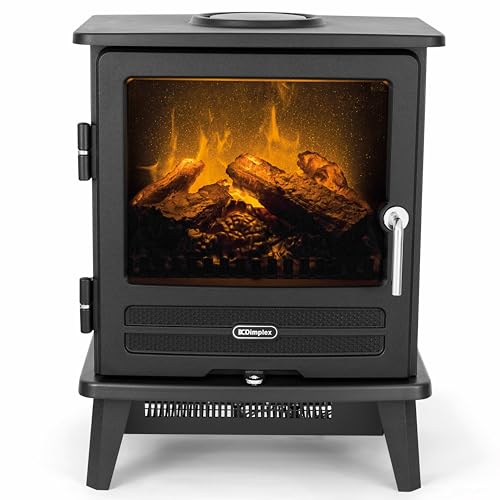 There are a variety of factors to consider when choosing an electric heater, including the type of heater you choose and the room where you want to put it. The type of heater you select will determine the price to run it. An electric baseboard heater can cost more to operate than an electric space heater or a portable heater, but it offers more even warmth and won't require any vents or chimneys. Electric fan heaters include a blower which circulates hot air through the room. This type of electric heater is the cheapest but it can also be noisy and take longer to heat up a room. Choose a space heater with an integrated thermostat. This feature lets you to set a temperature and the heater will turn off automatically when it gets to the desired temperature. This can drastically reduce your consumption of energy and keep you from having to turn the heater on and off. Be sure to turn off the power source at the breaker box, and test the circuit with a tester to verify that it is off before you attempt to install an electric heater. Mark the spot on the wall where you intend to mount the heater and cut a hole in the drywall. Utilize a drywall cutter to cut off the required section, making sure not to cut any existing electrical wires or pipes. Connect a 14/2 wire that is the same gauge as the existing wires from the panel for the breaker to the wall opening. Remove about 1 inch of insulation from the ends of each conductor wire and connect them to an available screw in the outlet box. Identify this wire as the “line” by labeling it or marking it with a piece red tape. Connect it to the wire leads that are marked “load” in the thermostat box.